


Sculptors - the O'Shea Brothers.
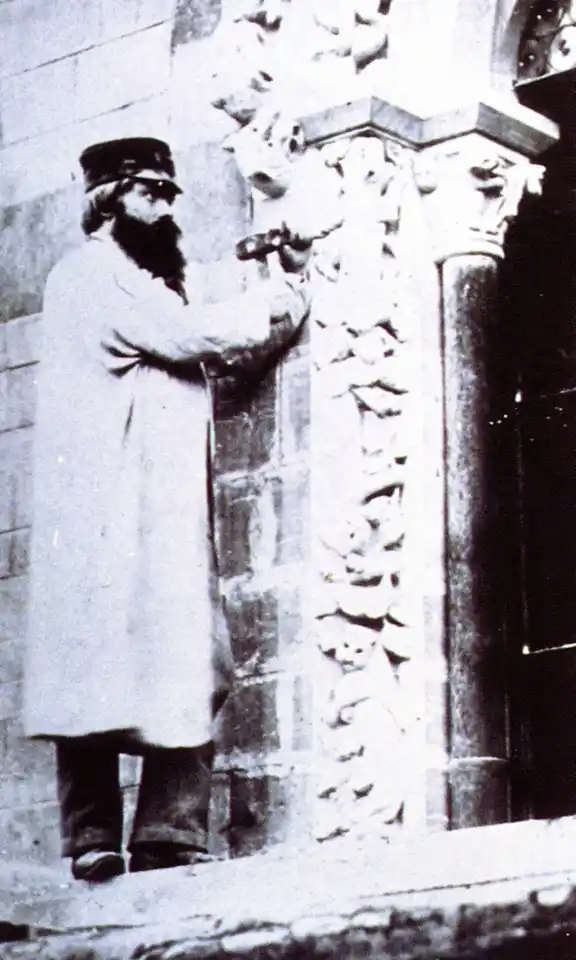
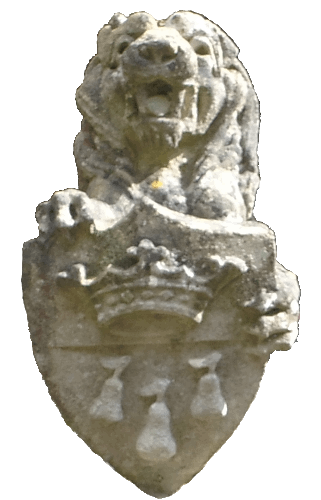
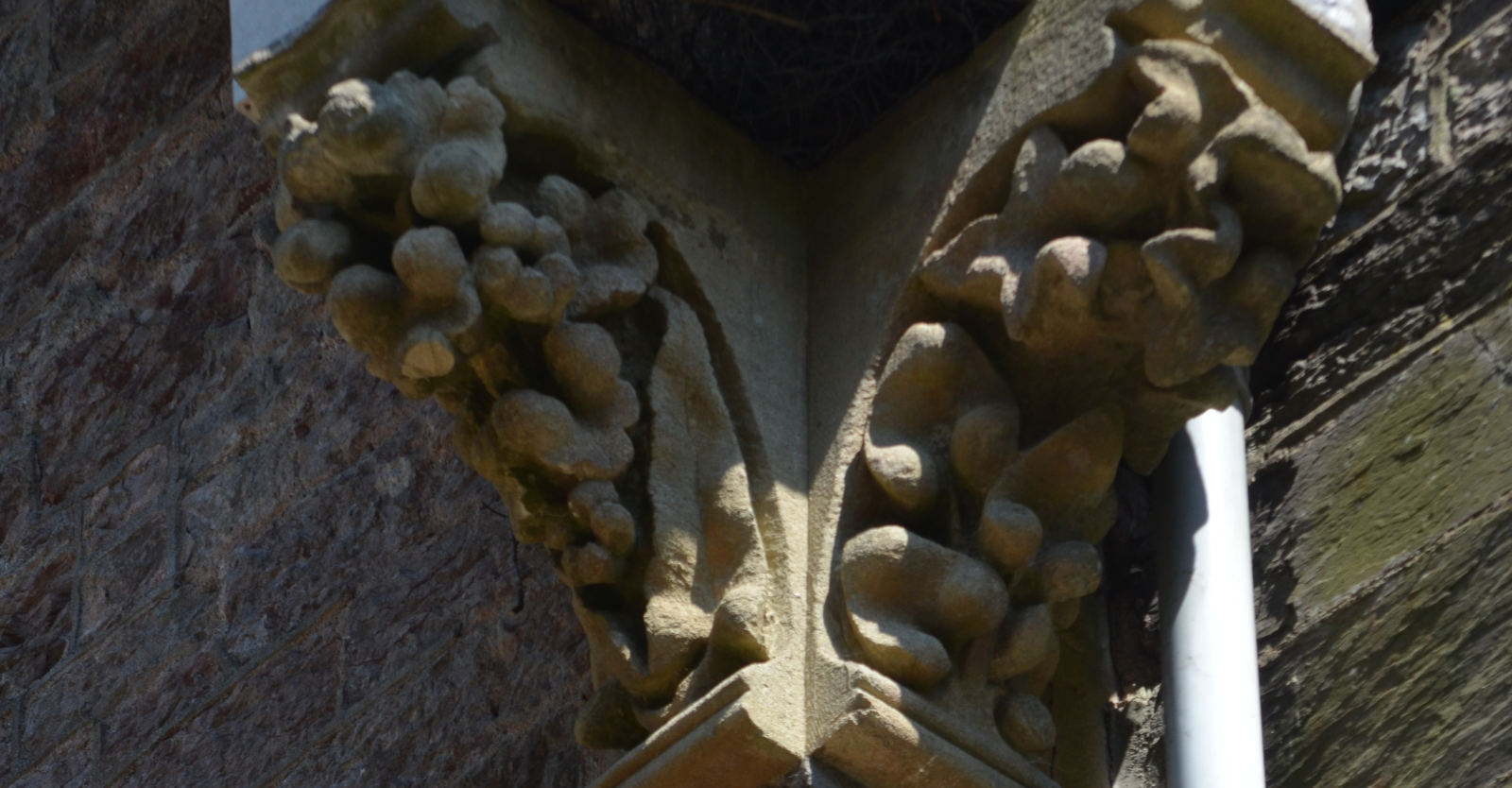
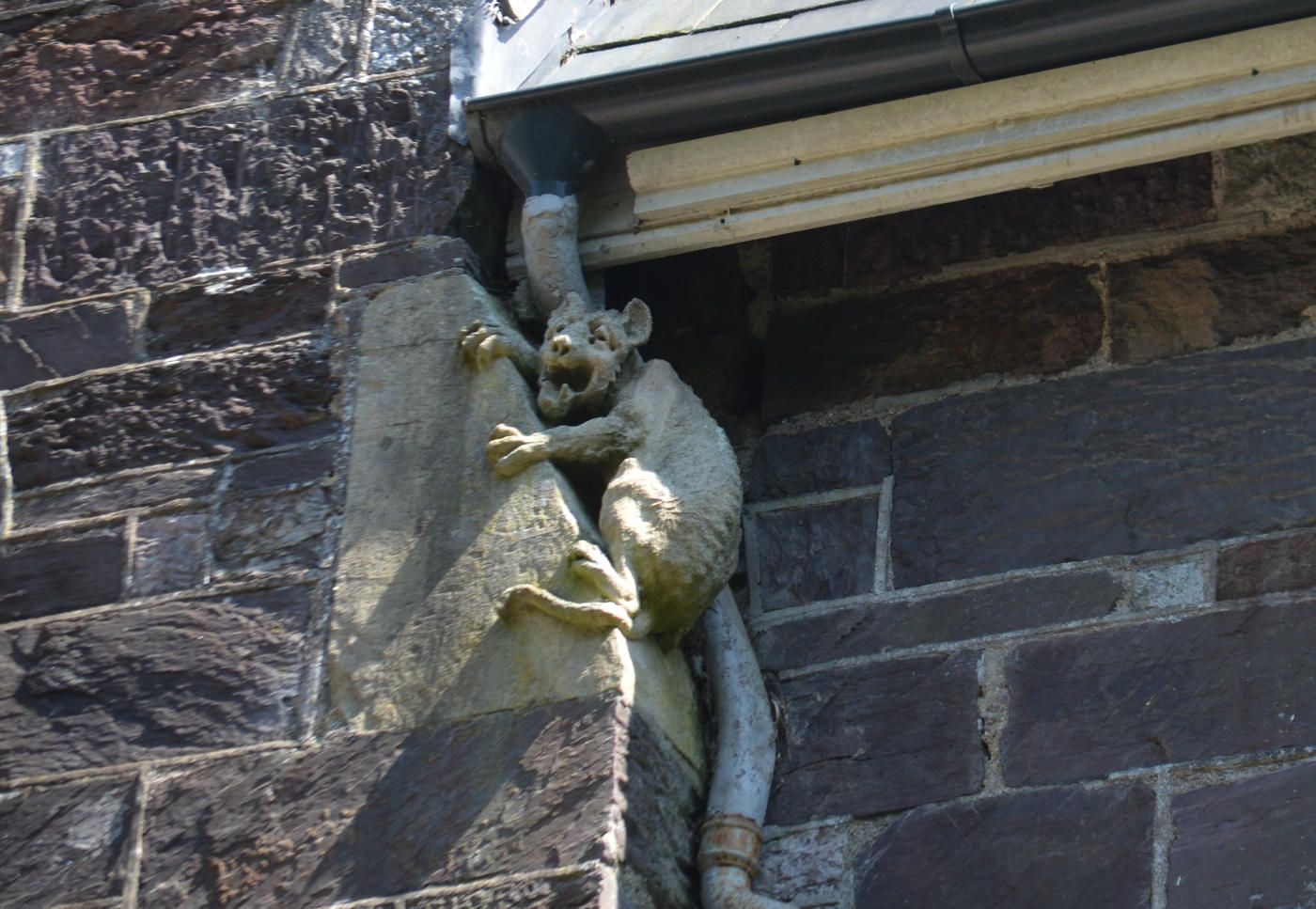
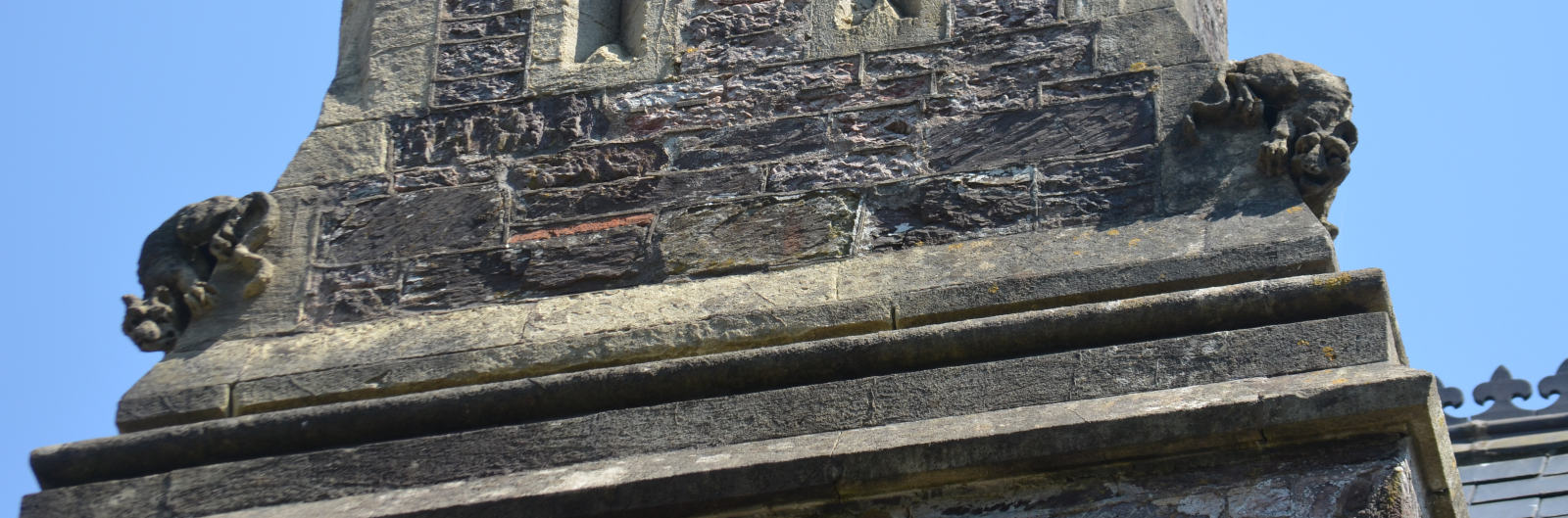
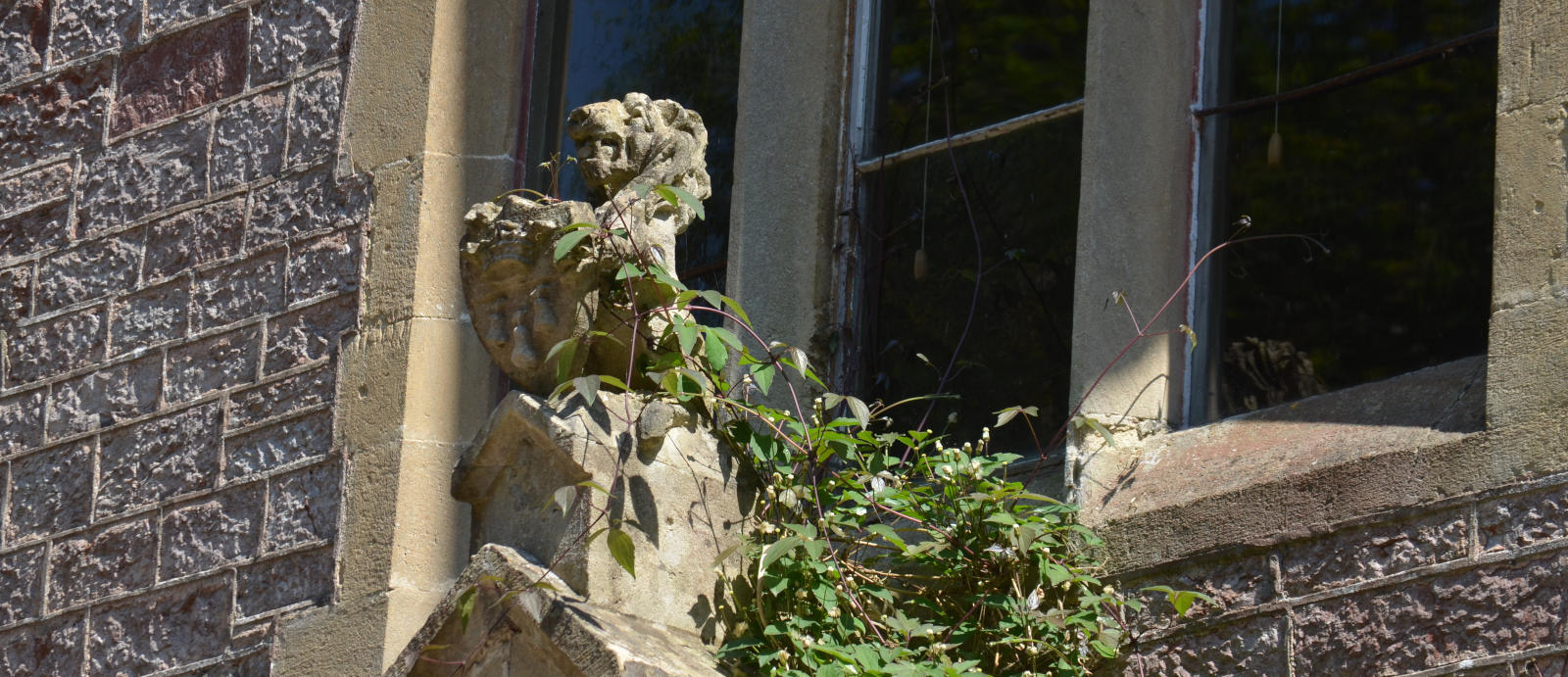
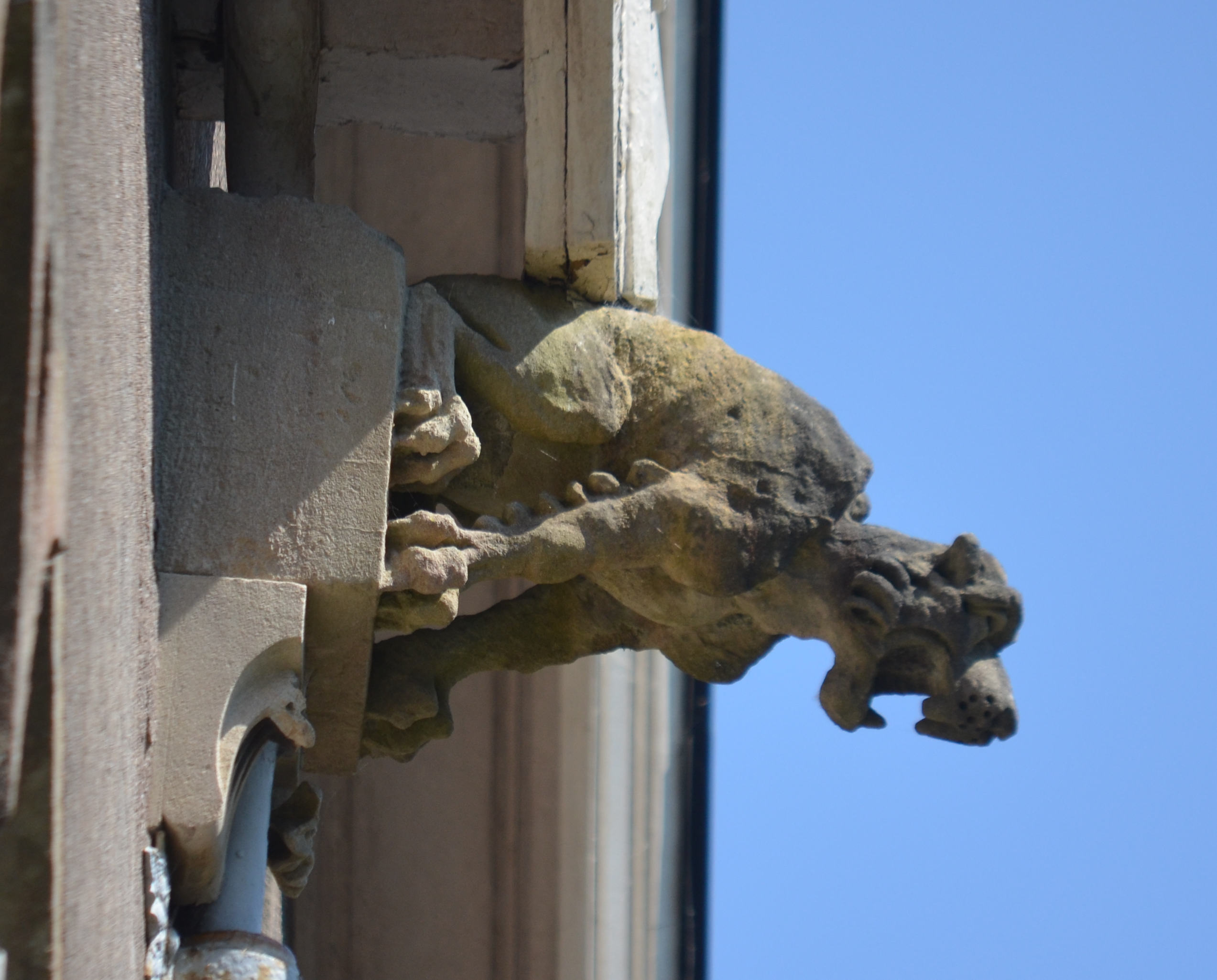
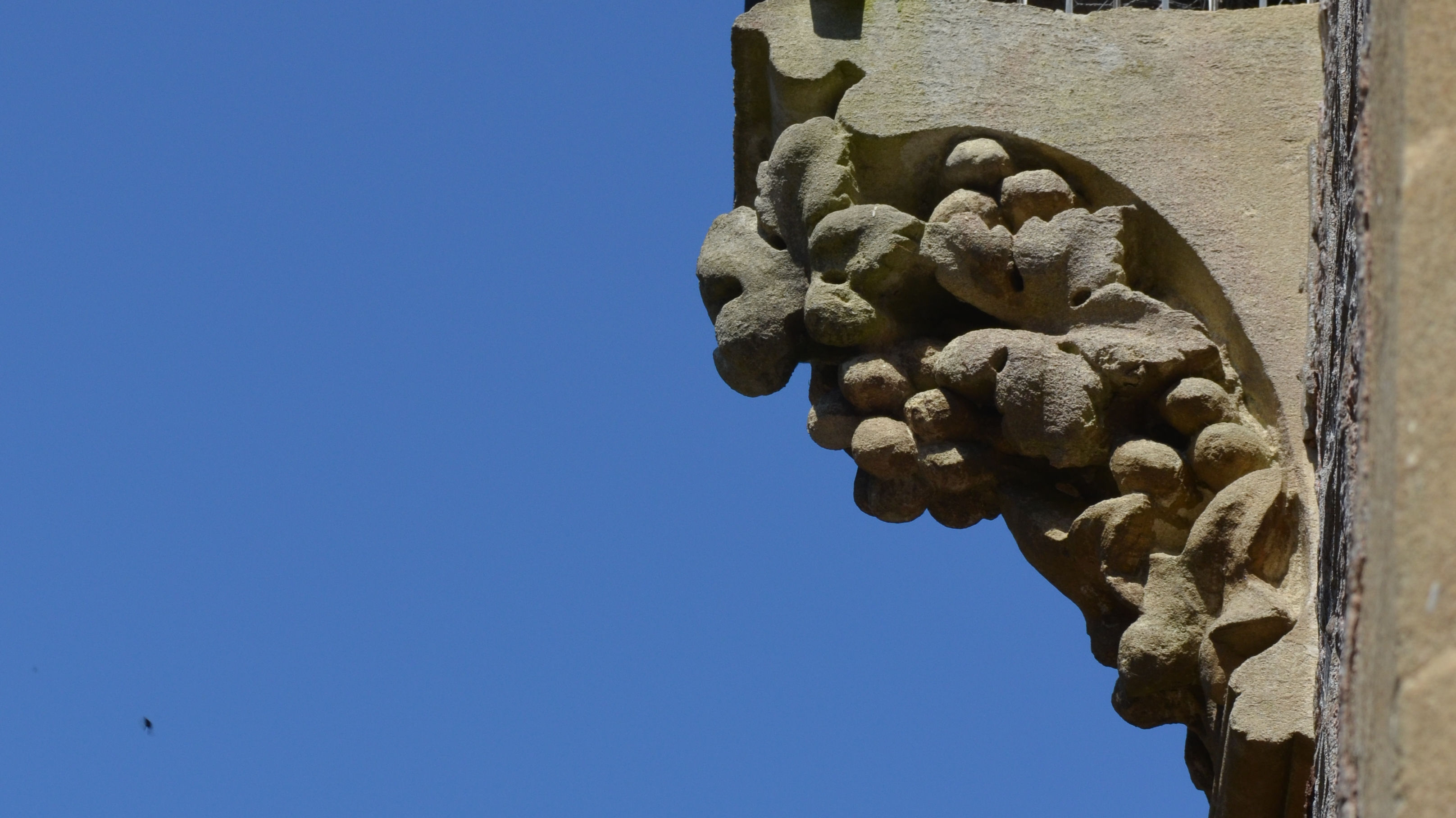
It is believed that the sculpted pieces in Thorncliffe are the works of the O'Shea brothers James and John of Ballyhooley, near Fermoy, equally assisted by their younger nephew Edward Whelan and are typical of their energetic floral carvings and grotesqueries. Other examples of their work can also be seen at TDC (1853-57) and the Kildare Street Club in Dublin, (1859-60) and Oxford University's Natural History Museum, England,(1854-61). These dates indicate that they travelled much between the two countries and records from the Oxford Museum show all three sculptors working together (but each working on individual pieces in one, two and even three window bays at a time).
Stonemason Daniel O'Shea moved from Callan to Ballyhooley to work at Lord Listowel's Convamore House initially. After Catholic Emancipation in Ireland in 1829 centuries of opression gave way to a rise in the building and restoring of Catholic Churches. Daniel and his Ballyhooley-born sons soon become involved in stonemasonry projects on the new Catholic church in nearby Castletownroche.
It is very possible that the O’Sheas came to work for Architects T.N. Deane and his partner Woodward around the late 1840s. The training of artisans was something of a hobbyhorse with Sir Thomas Deane, as he admitted in his lecture on sculpture to the RIAI in January 1851, and the O’Sheas may well have been protégés of his at the Cork School of Design.
James, his younger brother John and their nephew Edward were all extremely talented sculptors and their work visible today in the Museum at Trinity College, Dublin shows great quality and originality. Their carvings on corbels, capitals and columns were made from life with plants being brought up daily from the Botanic Garden in Glasnevin reveal the strong influence of John Ruskins creed that architecture should be shaped by the energies of the natural world. Ruskin's Pre-Raphaelite movement's espousal for the freedom of the artist to produce their work with little interference would have sat well with the O'Sheas temprement.
There is some evidence indicating that James and John O'Shea returned to Callan when they left England. A monumental sculptor named James O'Shea (1815ca-1881) and his son Edward (1853-1910), who specialized in carving Celtic crosses, were active in Callan from the late 1860s until the early 1880s. Edward O'Shea later carried on the business in Kilkenny where he was mayor from 1904 to 1906.
So, to which of the three Thorncliffe's sculptures be attributed to? The answer, perhaps, lies in their work at Oxford University where the individual works of each is clearly attributed. James' work is intricate, storied and multi-layred asking the viewer to look again. Johns plant carvings, for example, flows and blooms from the stone yet does not demand a second looks in the same way that a bird or berries hidden by James in the foilage might. Finally Edward's work at Oxford shows great talent and yet in his separate works the singular influence of either James or John is visible as if Edward had not yet found his own style.
References:
Convamore House, Conva, North Cork https://landedestates.ie/property/3215
Dictionary of Irish Architects https://www.dia.ie/architects/view/4232/O%27SHEA%2C+JAMES+%26+JOHN+%2A
"The Architecture of Deane and Woodward", Frederick O'Dwyer, Cork University Press, 1997